
Summer is underway and this is the time when most annual meetings have concluded. This year, two of our shareholder advocates, Giovanna Eichner and Frances Fairhead-Stanova, traveled around the globe to attend several of these gatherings of investors, employees, and executives. This effort resulted in key conversations and other interactions to strengthen Green Century’s position on environmental issues. Here are some of their takeaways.
From boardrooms to browsers
You may already know that public companies are required to host an annual general meeting, where company executives’ brief investors on financial results and present issues for investors’ votes. These events enhance transparency and shareholder democracy.
In-person meetings give investors the chance to have face-to-face and informal discussions with the board and other shareholders, yet many annual meetings have switched to an online format in recent years. Four of the five largest companies in the Fortune 500 held virtual annual meetings in 2025. Luckily for Green Century and other shareholders, not all boardroom doors are closed. Green Century traveled last month to Richmond, VA, Fort Smith, AK, and London to attend the annual general meetings of Markel Group, ArcBest and Coca-Cola Europacific Partners (CCEP).
Why meeting matters
Businesses have a major influence on the environment through the decisions they make, and investors want a voice. From the insuring of new fossil fuel infrastructure to curbing plastic pollution, shareholders have become increasingly interested in weighing in on companies’ environmental practices. Nearly 90% of global investors in 2025 expressed interest in investing in companies that consider positive environmental outcomes.
Green Century’s shareholder resolutions ask businesses to address their environmental impacts for the benefit of the company and planet.
In 2026, Green Century filed 29 shareholder resolutions. While Green Century negotiated the withdrawal of 16 of these in exchange for a company taking meaningful steps toward sustainability, ten were put on the agenda of the annual general meeting for investors to vote on.
Advocating for Climate Solutions
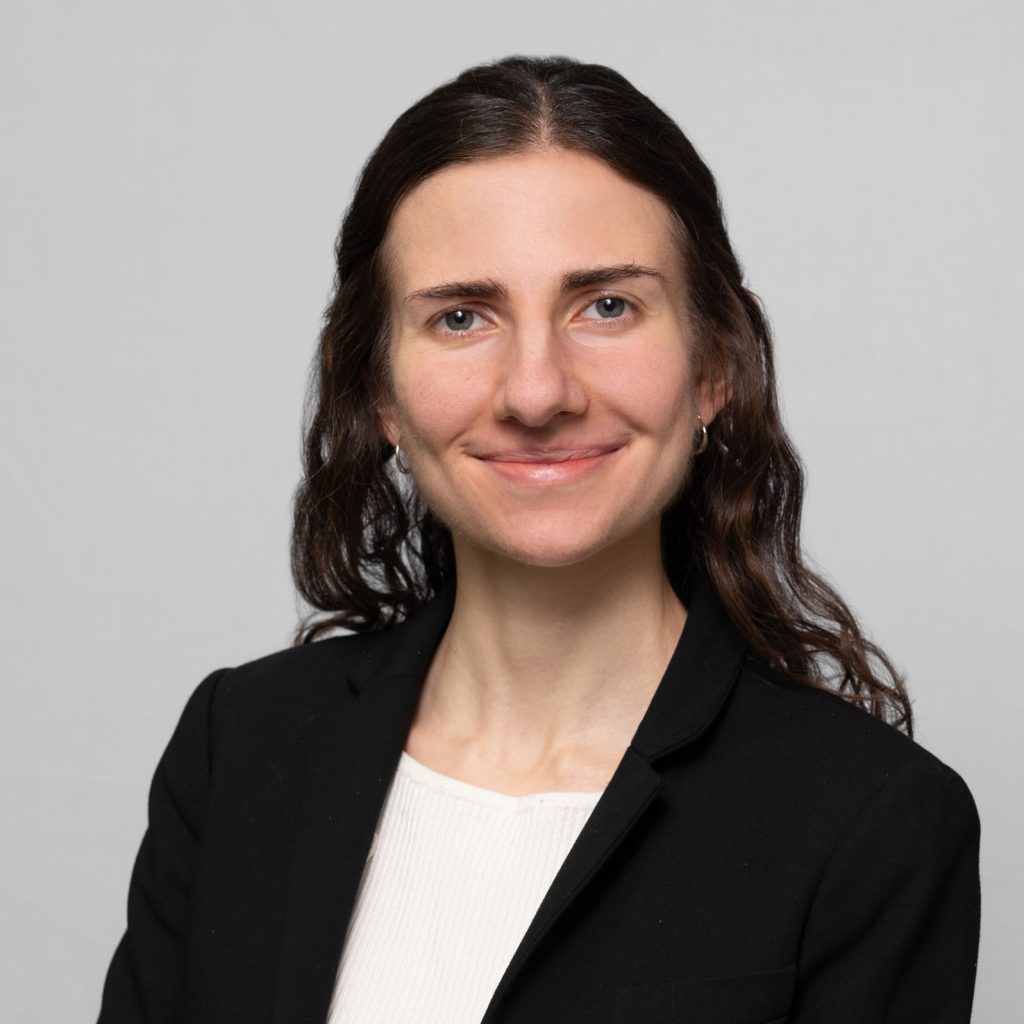
I’m Giovanna Eichner and my advocacy work focuses on urging companies to reduce their climate impact. This summer, I traveled to present Green Century’s shareholder proposals in front of fellow shareholders and core company decisionmakers at two annual meetings. In Fort Smith AK, I urged ArcBest to set climate emissions reduction targets for its nationwide network of trucks. A few weeks later, I went to Richmond, VA, and asked Markel to disclose how intensifying floods and fires may affect its insurance business.
The response I received from executives and fellow investors demonstrates a key benefit of in-person attendance—connecting with those who influence company decision-making. As I traveled to the train, a Markel board member stopped me and expressed interest in discussing my proposal with their colleagues. At ArcBest’s meeting, I connected with a group of shareholders and the chief innovation officer on expanding investments in electric vehicles. These relationships and conversations create the opportunity to follow up on a company’s response to our proposal, transforming words into meaningful action.
Pushing for Plastic Reduction
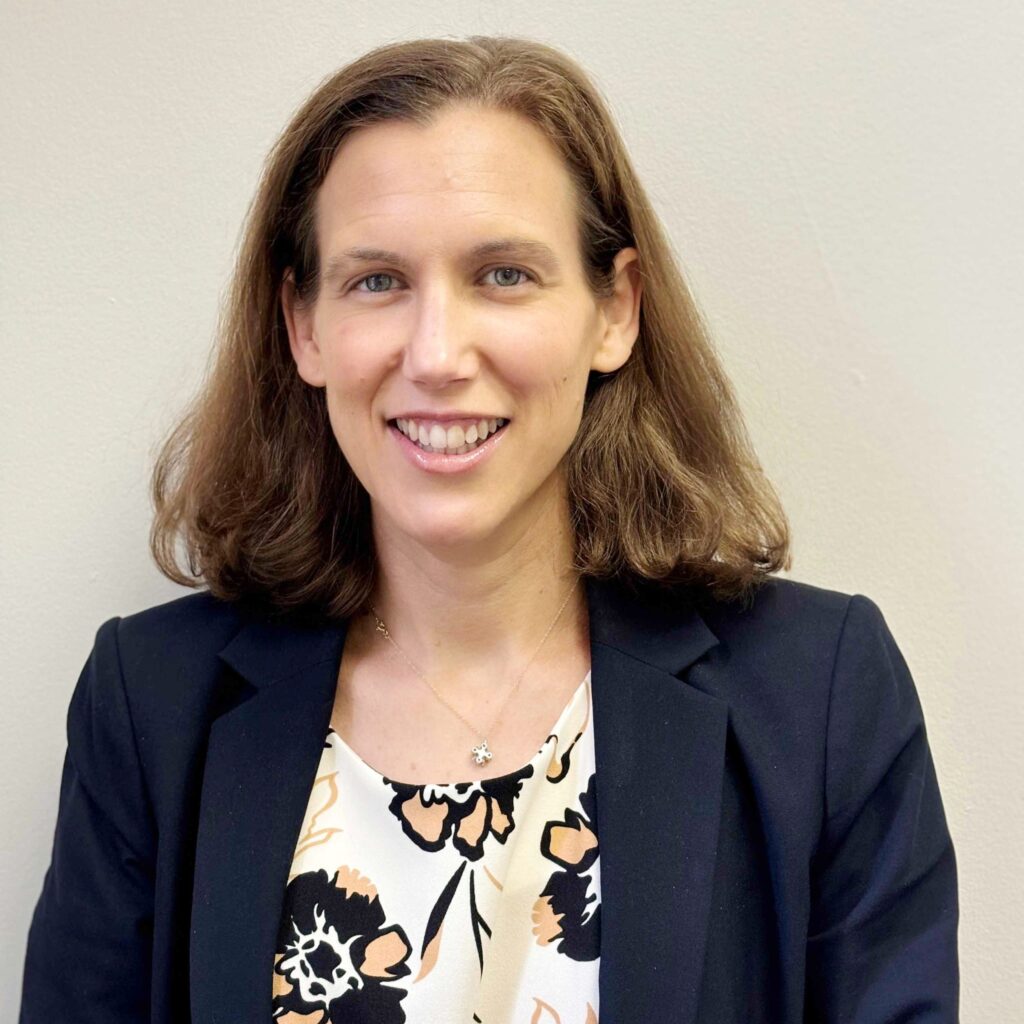
I’m Frances Fairhead-Stanova and I work on plastics issues at Green Century. I attended the annual meeting of one of Coca-Cola’s largest bottlers, CCEP, in London to ask the board how the company plans to cut its single-use plastic packaging. I wanted to have this conversation with the board because packaging decisions are not just a sustainability issue. This approach must work with the company’s overall strategy, and the board holds ultimate responsibility for shaping that vision.
After the meeting, I grabbed a coffee with another investor, and we talked about how CCEP could support regulation in the European Union that will increase the sale of beverages in bottles that get refilled, instead of being used only once and thrown away.
In all three cases, these in-person meetings allowed us to have conversations on critical issues with key decision-makers that otherwise wouldn’t have happened. We appreciate the opportunity to travel to these meetings and forge connections that, hopefully, will continue to build our relationships with these companies. Our shareholder advocacy is possible with the support of investors like you and nonprofit owners who believe in the benefits of face-to-face conversations.
–Giovanna Eichner and Frances Fairhead-Stanova
Shareholder Advocates