

As the frenzy over artificial intelligence continues, the energy demands required to power AI data centers have sparked a fierce backlash as residents, communities and environmental groups have banded together in opposition. They are increasingly voicing concerns about the impacts that data centers have on water, air, land, health, electricity prices, power outages, carbon emissions and more.
Every time you stream a movie, make a mobile bank deposit or use a chatbot, a data center is most likely involved. Nearly every large corporation is now racing to develop and use AI. Amazon, Microsoft, Google, Meta, and Open AI – which formerly used renewable energy to meet ambitious climate commitments – are facing challenges as their emissions outpace their existing sustainability pledges.
Data centers are massive buildings that house computer servers needed to store and process digital information. And even though they have existed for decades, the AI boom has unleashed the recent surge in construction activity.
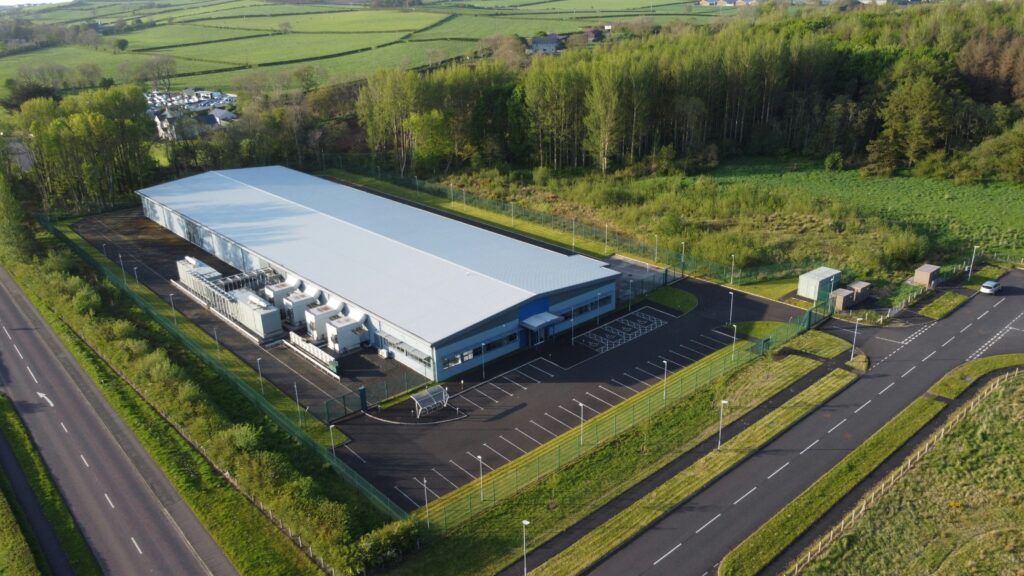
These data centers contain servers that generate heat as they process digital information and consume massive quantities of water to cool them or, otherwise, they could overheat, malfunction, or fail. Mid-sized data centers consume the amount of water typically used by a small town, while larger centers may swallow 5 million gallons a day – equivalent to the usage of a city of 50,000. The massive land footprint of data centers, built with concrete, steel and other impermeable surfaces, limits the surface area available for groundwater to infiltrate and recharge aquifers, increasing threats to water levels.
Traditionally, data centers were stashed underground or built as boxy, windowless warehouses sprawling across the land. Today, floating data centers and those immersed in the ocean, where they are bathed by currents, illustrate the lengths to which some tech companies are handling cooling and land-use issues.
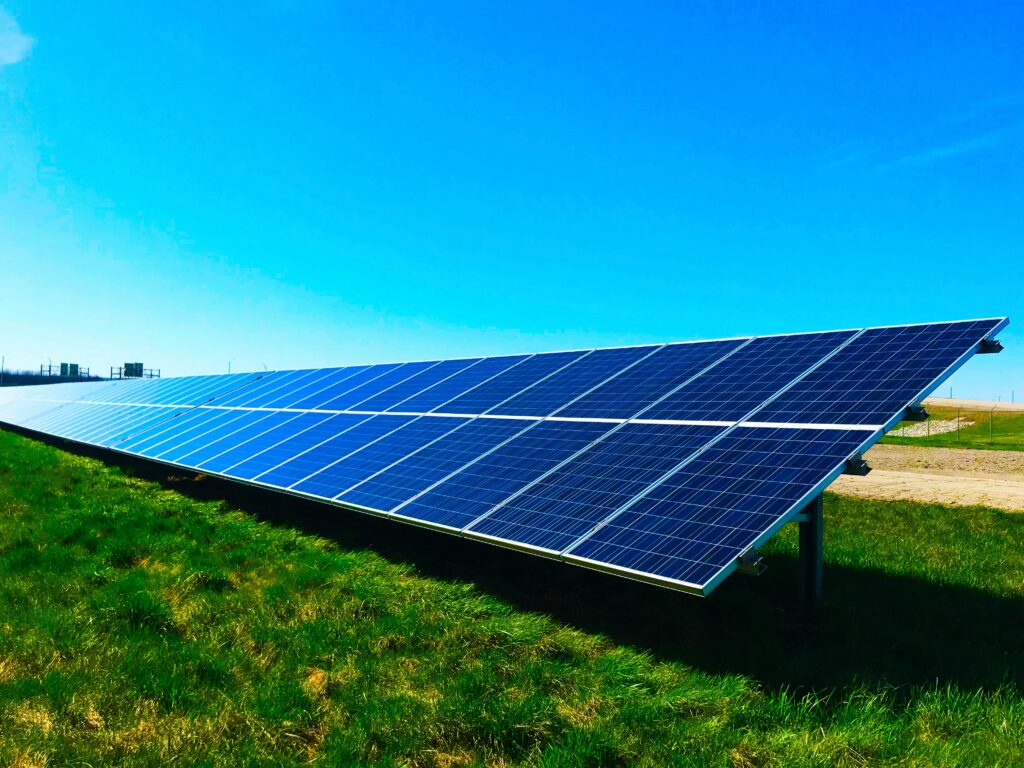
Green Century is advocating for a slowdown in data center expansion, so alternative sources can be considered, and more efficient water usage can be incorporated. Instead of using nuclear, coal, and other dirty fuels, the tech companies could be compelled to capture and reuse some of their heat emissions. Or solar, geothermal, wind, and other renewable energy sources could be required and secured before construction permits are issued for new or expanding data centers. Data centers can also redirect the thermal heat they generate to local water systems to heat nearby homes and businesses.
Water usage can be reduced by using more efficient technology such as closed-loop systems or by using air cooling systems.
This summer, Green Century filed a shareholder resolution at the semiconductor company NVIDIA- widely considered central to AI-fueled growth- that urged the company to report its complete climate emissions, which is the first necessary step to the curbing its environmental toll. NVIDIA makes the chips, systems and hardware for AI and companies to develop their AI systems, as well as advanced computing, which allows data centers to use less electricity.
Green Century is concerned about the explosive growth of data centers and the resulting environmental damage. Green Century’s award-winning shareholder advocacy program is expanding on this year’s work and urging more companies to cut climate emissions – both direct and indirect – and limit water usage – aiming to hold them accountable for the impacts on our planet and human health.
Follow our work on this and other issue areas by subscribing to our enews.