

Indonesia is a vibrant, nature-packed 17,000-island archipelago on the opposite side of the world from Green Century’s headquarters in Boston. It’s the fourth most populous country (with roughly 287 million people!) and contains the third largest tropical rainforest area on the planet, home to 10-15% of all known plants and animals.
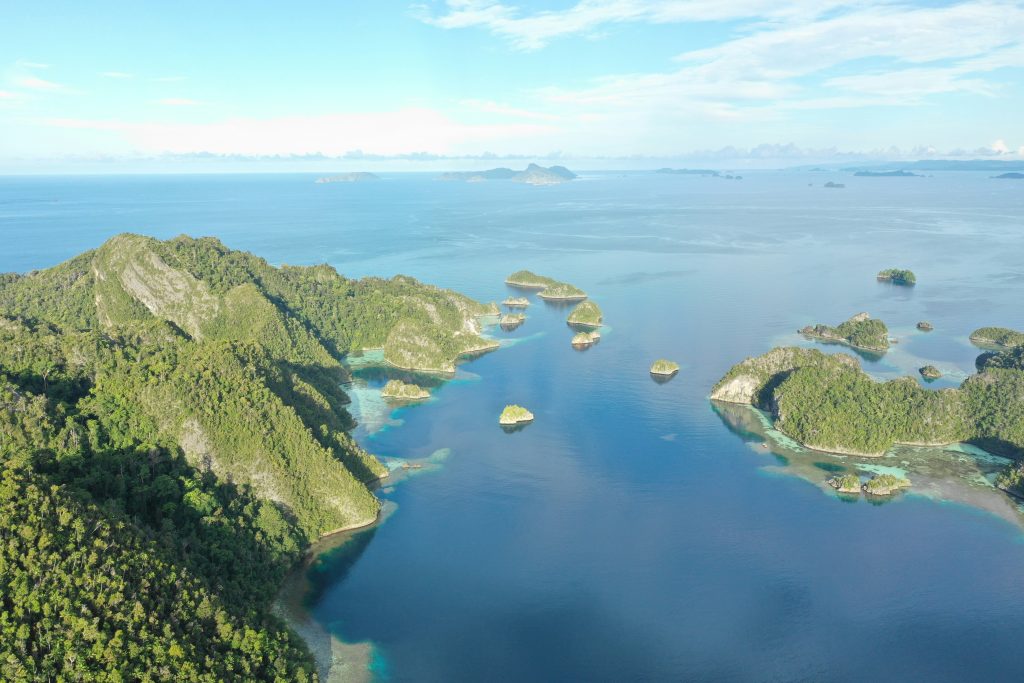
Green Century has advocated to protect Indonesia’s tropical rainforests from deforestation for palm oil since the early 2010s. I was thrilled to build on that work last month on a trip to Jakarta to discuss nature and climate-related risks and opportunities with Indonesian government officials, financial system representatives, embassies and civil society organizations.
I organized the trip in partnership with a distinguished former U.S. Ambassador to Indonesia, and recruited seven other institutional investors to join us from Australia, Britain, Canada, the Netherlands, Norway, Singapore and the U.S.
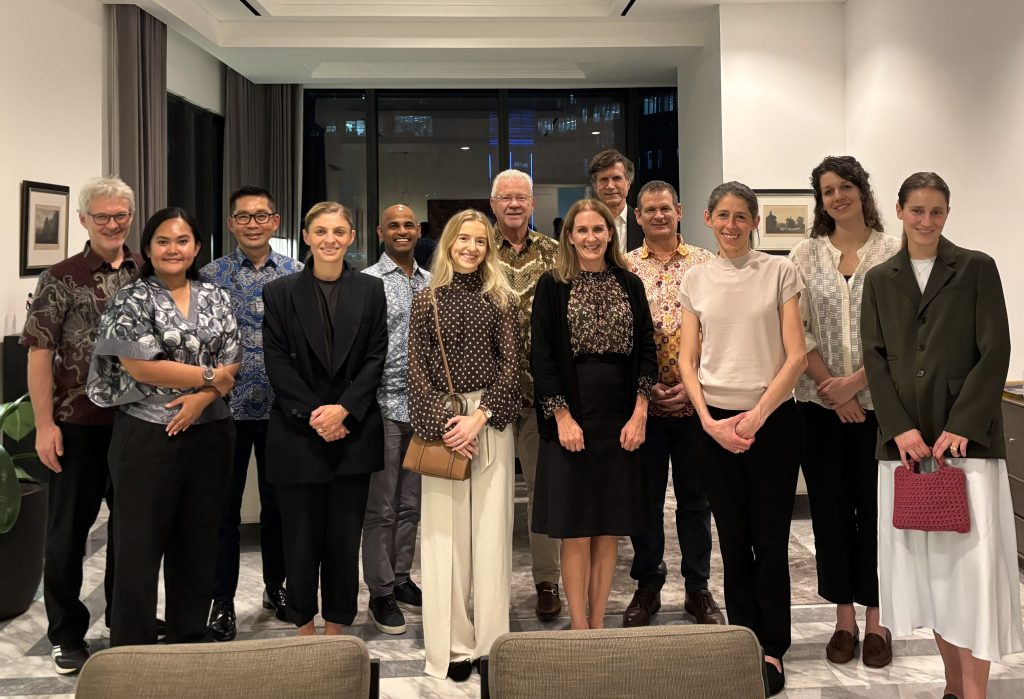
Green Century typically engages companies, not governments
We made the decision to embark on this trip because nature-related risks, opportunities, and impacts are significantly affected by policy decisions in countries like Indonesia. There are massive financial opportunities here not only for investors, but also for countries that protect their natural resources, especially ecosystems bursting with biodiversity like Indonesia’s rainforests, mangroves, and peatlands. There are also significant financial risks when that nature is destroyed.
During an action-packed week of meetings, we spoke with Indonesian officials about the country’s emerging carbon market, recently established through Presidential Regulation 110/2025. We also discussed nature finance mechanisms such as the Tropical Forests Forever Facility, which pays tropical forest nations to conserve their forests, and nature-based solutions like forest restoration that can generate revenue for Indonesia.
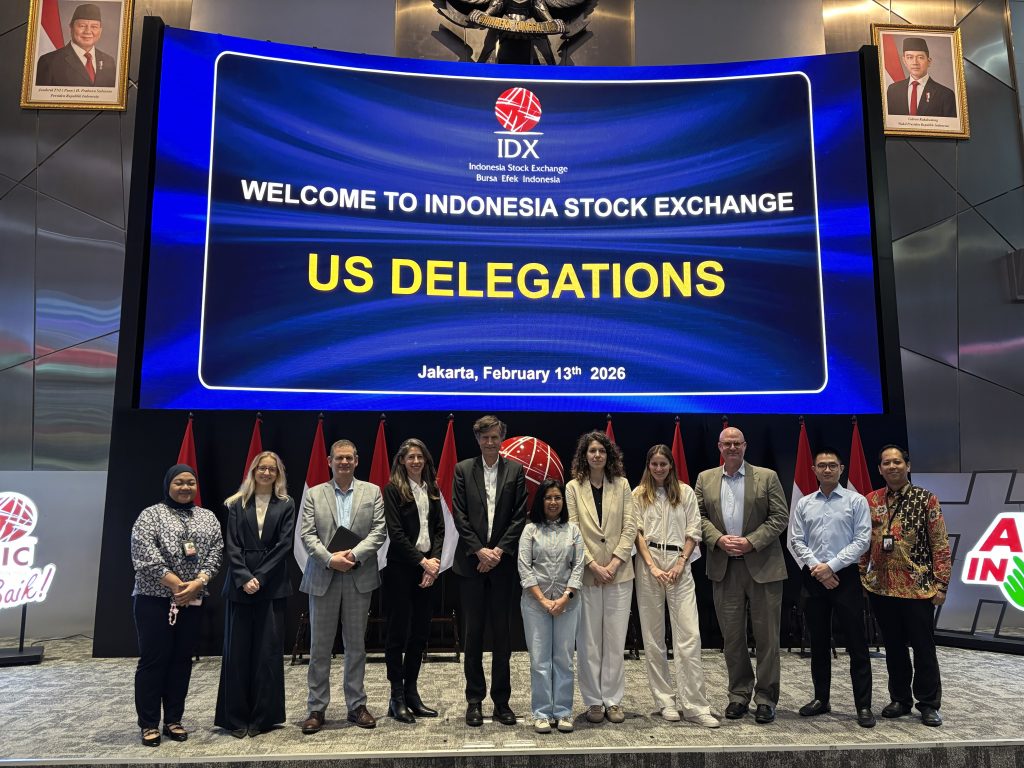
Protecting tropical forests is a key focus of our dialogues
Indonesia has done impressive work since 2016 to slash deforestation rates by cracking down on companies that raze rainforests for palm oil and other commodities. We commended the Prabowo administration for continuing that track record by swiftly revoking 28 permits of companies whose deforestation activities exacerbated the deadly floods in Northern Sumatra in January.
Noting that Indonesia’s deforestation rates have recently begun to creep back up, we also discussed approaches the government could pursue to continue its important crop production efforts while simultaneously protecting forests.

Alternatives to deforestation are abundant and compelling
For one, pursuing sustainable agriculture models on Indonesia’s previously degraded lands would help fulfill President Prabowo’s pledge to restore 12 million hectares of degraded land and allow the country to achieve food and energy independence and forest protection in tandem. The technology to help companies and countries lean into crop production intensity over expansion is also rapidly scaling.
In all our meetings, we expressed our sincere gratitude to the thoughtful, knowledgeable, and hardworking ministers, directors, and other officials who engaged with us in constructive conversations on these critical issues.
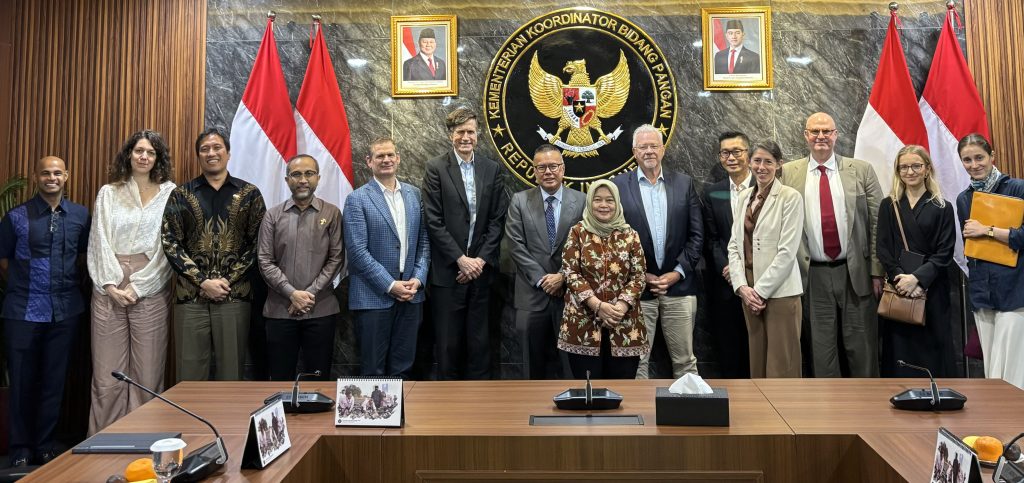
After wrapping up meetings in Jakarta, I hopped over to Sumatra to visit some of the ecosystems and wildlife we’re working to protect at Ecolodge Bukit Lawang, nestled up against Gunung Leuser National Park. One of Indonesia’s largest and most biodiverse national parks, Gunung Leuser is part of the UNESCO-listed Tropical Rainforest Heritage of Sumatra and hosts a wide range of ecosystems, including rainforests, volcanoes and peat swamps. The park provides critical habitat for endangered species such as tigers, elephants, and rhinos, and is one of the last places on earth with critically endangered orangutans living in the wild. I was thrilled to meet some of them up close during a day-long, sweltering jungle trek.
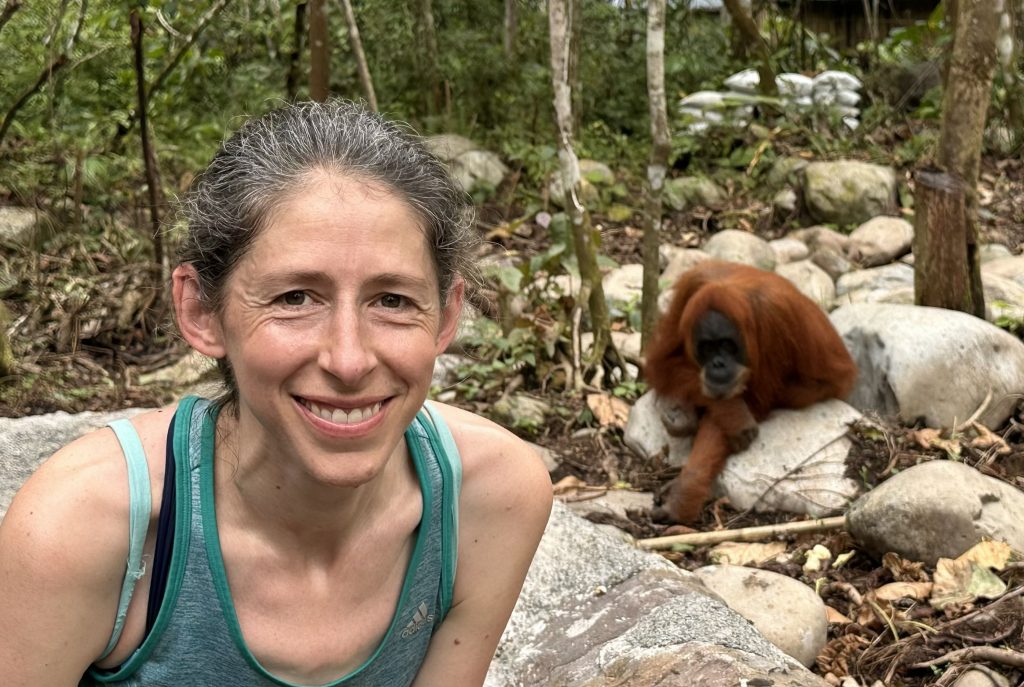
After miles of hiking among towering meranti trees and a scenic whitewater rafting jaunt back to the Ecolodge, I stopped by some palm oil plantations to investigate how deforestation for palm oil cultivation has changed the physical landscape of Indonesia. As the most widely used vegetable oil in the world, palm oil appears in everything from crackers to shampoo. A decade ago, it was also the leading cause of tropical forest destruction in Southeast Asia, which produces 90% of the world’s palm oil.
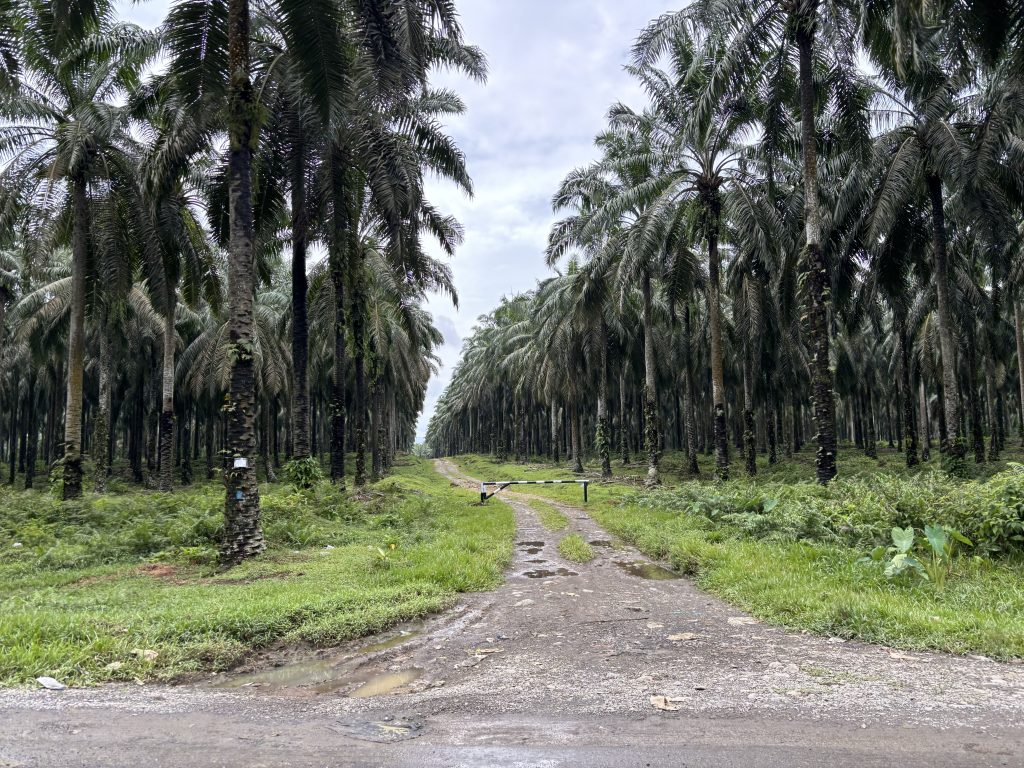
During the early years of Green Century’s forest protection campaign, we helped convince major palm oil buyers such as Kellogg’s to adopt zero-deforestation palm oil commitments, which added to the demand that ultimately shifted markets toward sustainable palm oil. I found it striking to witness firsthand how palm plantations have consumed the landscape of what used to be a richly forested island — the size of Spain — and underscores the importance of our efforts to protect what’s left.
It was truly inspiring to experience firsthand the landscapes and wildlife that Green Century has helped protect over the last decade. We’re so grateful to our investors, who make this work possible.
—Annie Sanders, Director of Shareholder Advocacy