

As I reflect on my two trips to Indonesia this year, I feel incredibly hopeful. Nearly halfway around the world from Boston, this sprawling country is home to rare wildlife including orangutans, Komodo dragons and Sumatran tigers, as well as the world’s largest city – Jakarta. It was a privilege to meet the people and animals whose forests we’ve been working to protect from deforestation since the early 2010s.

One of the reasons Green Century got involved in forest protection work in Indonesia is that the country has lost roughly 25% of its original forest cover since 1990. This decline in primary forests is second only to Brazil in modern history, and has been largely driven by palm oil, the world’s most widely used vegetable oil – and still one of the leading causes of tropical deforestation.
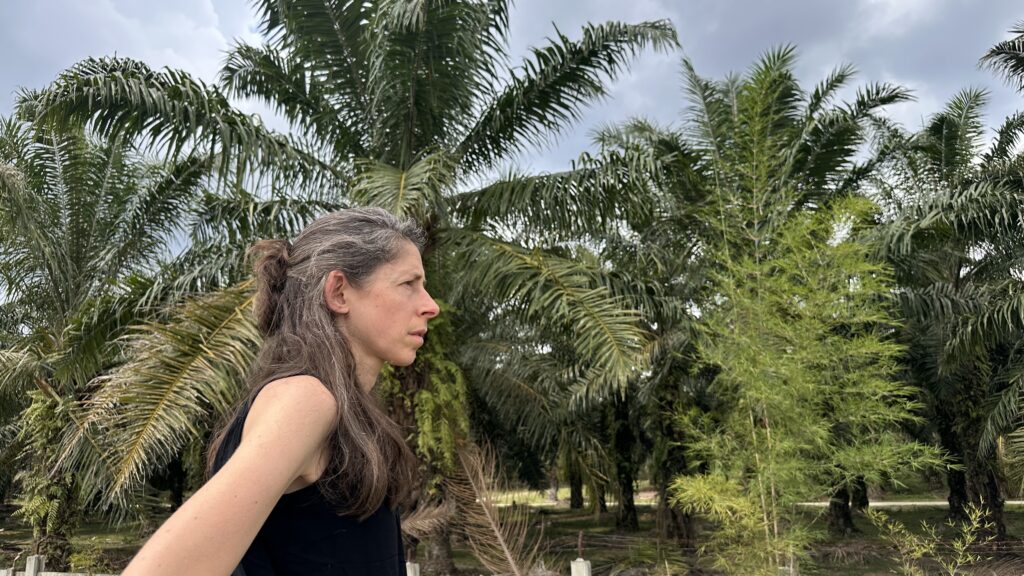
Over the years, Green Century’s strategy to stop this destruction has focused on pressing major consumer-facing companies in the U.S. to make sure the palm oil in their cookies, crackers and cereals wasn’t driving the burning and bulldozing of rainforests. Once companies including Kellogg’s and Starbucks committed to buying sustainable palm oil, global demand began to shift, and producers were increasingly incentivized to change their practices.

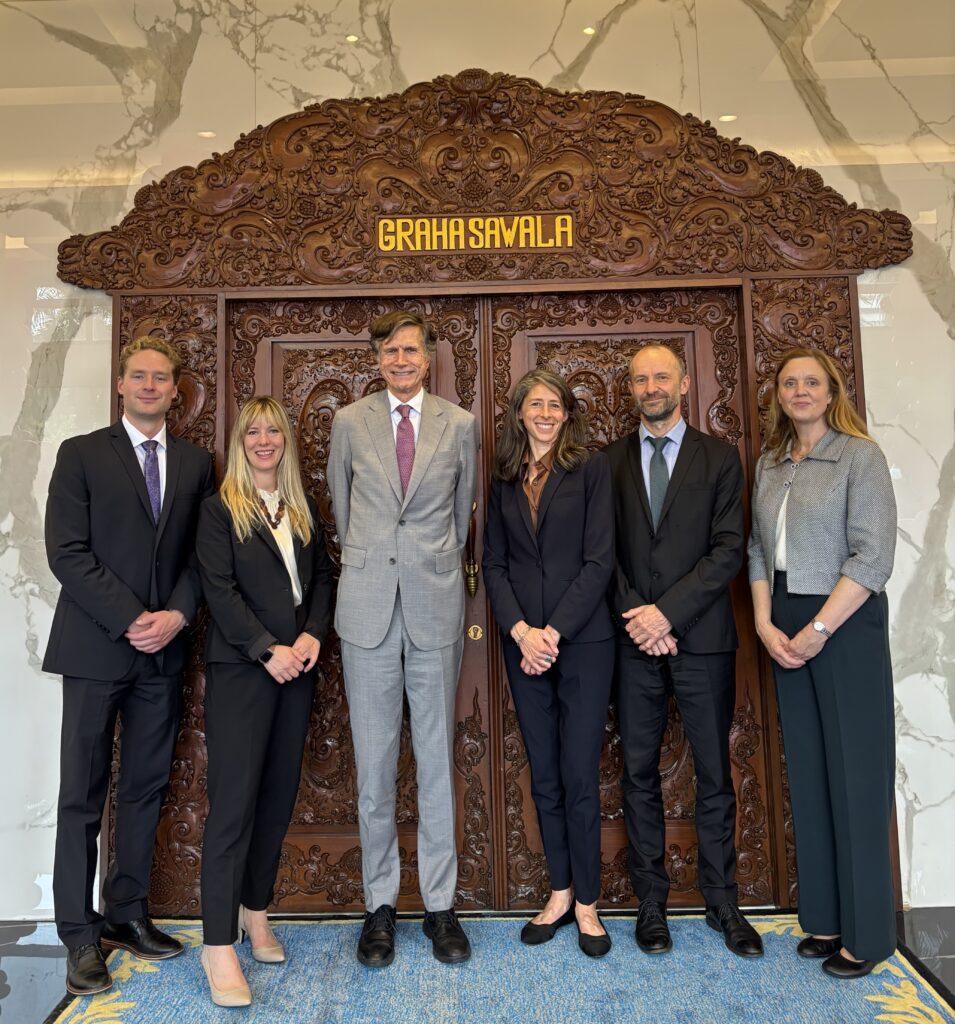
Despite this progress, which led to deforestation rates plummeting between 2016 and 2021, the amount of land cleared for agriculture began to accelerate over the last few years. The two investor trips I organized in February and August aimed to demonstrate to Indonesian leaders, companies and other stakeholders that global financial institutions view forest protection as critical to meaningfully mitigating systemic climate and biodiversity risks – and as a major financial opportunity for Indonesia.
I will continue Green Century’s forest protection efforts in Indonesia this year, and we will endeavor to protect the country’s wild and wonderful places. I will keep you updated on our work.
