Green Century supports clean energy sources in place of nuclear power.
As data centers, cryptocurrency, artificial intelligence and other energy-guzzlers increase power demand, some people are pitching nuclear energy as a solution.
Data centers comprised 4.4% of U.S. energy consumption in 2023 and are expected to reach 6.7-12% by 2028, according to a 2024 report by the U.S. Department of Energy. The question is what sources do we want to use for our power?
Green Century° remains unabashedly opposed to nuclear power and, given the industry’s checkered past, is unconvinced by arguments that today’s new small modular reactors are safe for people or the environment. Our three mutual funds purposefully exclude nuclear energy and fossil fuels because of the associated health and ecological impacts. Unfortunately, not all sustainable funds have the same industry screen.
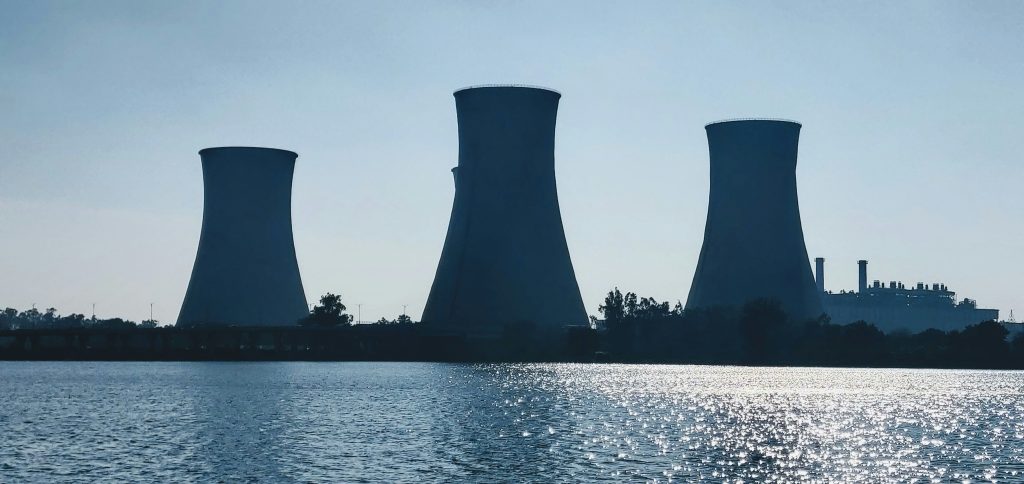
Contrary to how nuclear energy advocates present it, this energy source should not be regarded as a “clean” or “safe”. Many of us remember the scary environmental and public health fallout from the Chernobyl, Fukushima and Three Mile Island disasters. As we saw from the Chernobyl explosion and subsequent 10-day fire, these accidents can expose people to very high doses of radiation and cause radiation sickness that leads to death.
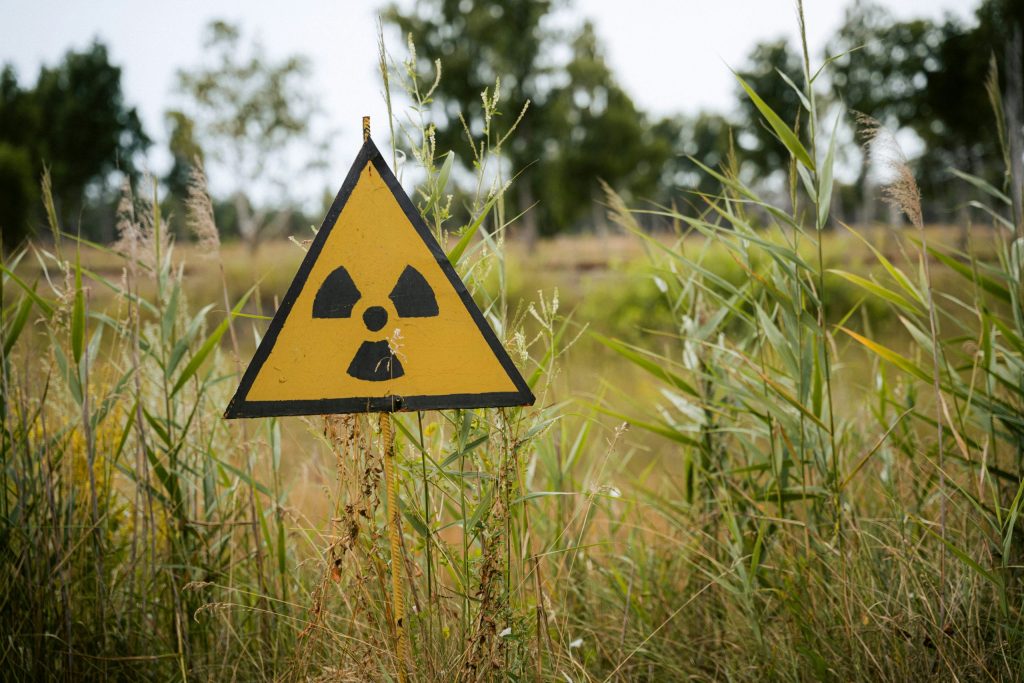
Nuclear energy supporters are quick to point out that newer, small nuclear reactors will be different from these larger, old nuclear power plants — and claim we need them to meet AI demands.
Green Century, however, believes that too many investors, companies and leaders are not paying attention to the multiple reasons why nuclear power is not a safe option and, instead, suggesting we should embrace nuclear energy as though there are no better and safer alternatives.
A 2024 report by the Institute for Energy Economics and Financial Analysis found that small modular reactors (SMRs) are still expensive, too slow to build, and too risky to play a significant role in transitioning from fossil fuels in the coming 10-15 years. Furthermore, the report found that SMRs will take resources away from carbon-free and lower-cost renewable technologies that are available today and can push the transition from fossil fuels forward significantly in the coming decade.
High Cost. Generating energy from small modular reactors costs three to five times more than renewable options. Nuclear power is among the costliest approaches to solving America’s energy problems. Per dollar of investment, truly clean solutions – such as energy efficiency and renewable resources – deliver far more energy than nuclear power.
Years to Build. Small modular reactors also take 5 to 7 years longer to build (between planning and operation) as compared with constructing a power plant that is powered by renewable energy. Significant construction delays are still the norm, and costs have continued to climb.
Carbon Pollution. Supporters claim nuclear plants can deliver energy with no carbon emissions, however there is no such thing as zero-emissions nuclear power plants. The continuous mining and refining of uranium needed for the plants and other supply chain impacts should not be dismissed. Enthusiasts also compare nuclear energy emissions to fossil fuel emissions, which frames the issue very narrowly. Instead, nuclear energy emissions should be compared to clean and renewable energy since that is a viable alternative.
Safety and Health Risks. “New” does not always mean safe. Despite all the hype around modern, smaller reactors, nothing has changed about the waste or storage risks that have haunted past reactors. According to the Union of Concerned Scientists, these reactors still have potential for failures and are susceptible to the more frequent and intense storms caused by climate change.
Nuclear fuel and waste generated from reprocessing of spent nuclear fuel are so hazardous and radioactive that the EPA classifies it in the highest of five levels of radioactive waste. The EPA clearly states that people should never touch, inhale or ingest radioactive waste because of the health dangers. Today’s consumers already have safe, reliable sources of clean energy that are natural and renewable. We don’t need to resort to nuclear power. It is dangerous and costs more than wind and solar. That is why Green Century is steadfast in its commitment to avoid investing in nuclear power plants. We believe that any firm representing itself as sustainable or responsible should do the same.
To learn more about avoiding dirty fossil fuels and dangerous nuclear power plants, get our Insuring a Fossil Free Future and our fossil fuel free guide.